







Search Results for: Daily Fresh Milk
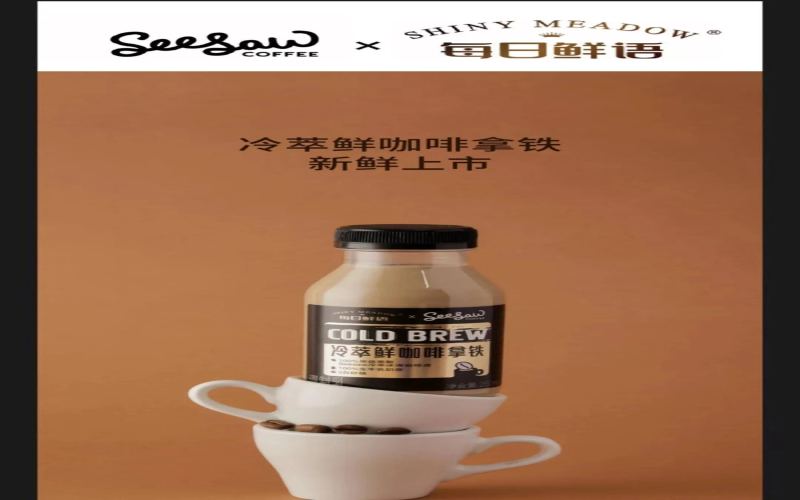
Seesaw partners with Daily Fresh Milk to launch bottled cold brew latte, sweetened with monk fruit concentrate, sparking polarized reviews
Specialty coffee brand Seesaw recently teamed up with Mengniu's fresh milk brand Daily Fresh to launch a bottled cold brew fresh milk latte. The official claim is that it uses custom cold brew beans, paired with fresh milk from a GAP Grade 1 certified pasture, with an ingredient list that highlights 0 non-dairy creamer, 0 white granulated sugar, and 0 artificial sweeteners, while the sweetness comes from natural monk fruit concentrate. After the product hit the market, online shopping platforms sold it at about 11 yuan per bottle, with a minimum purchase of 3 bottles, prompting many consumers to stock up. However, public opinion is clearly divided: some praise the clean formula of fresh milk plus coffee, while others complain of a traditional Chinese medicine taste, a sticky mouthfeel, and an inexplicable astringency, with the controversy centering on the sweetness brought by monk fruit concentrate. This article reviews the formula, price, and consumer feedback of this new product, and explores the competition and choices in the bottled coffee market. [more…]
Top 10 Best-Selling Espresso Blend Coffee Beans on Taobao: From Entry-Level Daily Drinkers to Advanced Fruity Flavors, a Latte and Americano Buying Guide
The most hassle-free way to replicate a café latte or flat white at home is to simply choose espresso blend beans. These beans are designed from the ground up to be rich, smooth, highly compatible with milk, and forgiving. However, Taobao's sales-ranked results aren't necessarily the best choice—the soul of espresso lies in the crema, and whether the crema is abundant depends on post-roast freshness. Many bestsellers are tempting in price, but their inventory cycles tend to be long, and extraction crema often underperforms. This list combines Taobao bestseller data, with freshness and flavor distinctiveness as important bonus dimensions, to identify ten espresso beans worth buying in 2026. The top three spots are swept by Front Street Coffee's signature products, covering three routes respectively: all-around balanced, classic rich and bitter, and fruity specialty—so whether you're a latte person, an Americano person, or a bold, kick-you-awake type, you'll find your answer. [more…]

The caffeine content in milk tea is not to be underestimated: one cup of milk tea may equal three cups of Americano, so sensitive individuals need to be cautious.
In recent years, milk tea has become a daily beverage for young people, but the caffeine content hidden within it is often overlooked. Some studies show that a single cup of milk tea may contain as much caffeine as three or more cups of Americano, and may even exceed the recommended daily intake. This article sorts out the sources of caffeine in milk tea, its health effects, and consumption tips, to help coffee enthusiasts and milk tea lovers make more rational beverage choices. At the same time, it also reminds readers to pay attention to the extra health burden brought by sugar and toppings. Whether you choose coffee or milk tea, only by understanding the ingredients can you drink with peace of mind. [more…]
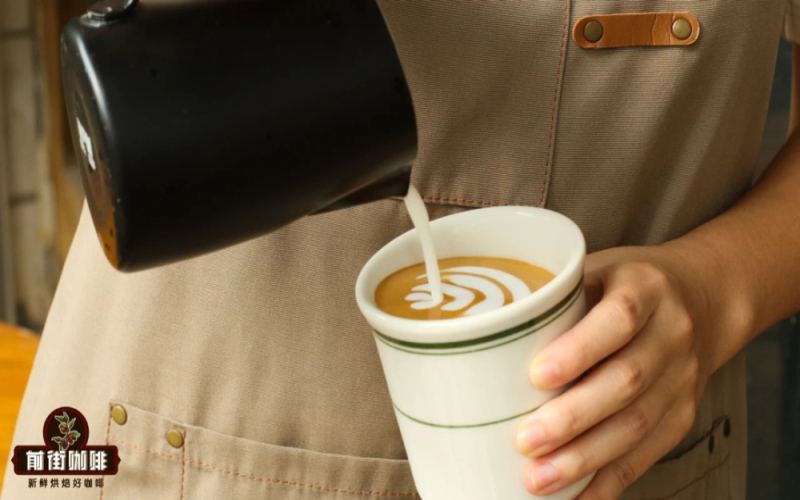
What Milk Should You Choose for Brewing Coffee? Whole Milk vs. Skim Milk—Which Pairs Better with Coffee?
The pairing of coffee and milk is a classic choice for many enthusiasts in their daily drinking. Milk can soften the bitterness while preserving the coffee's aroma, making the entire cup more drinkable. However, different coffee types have different requirements for milk: espresso needs a stronger base to support the milk flavor, while pour-over coffee, being lighter in nature, requires more caution when adding milk. This article discusses the principles of pairing coffee with milk, the coffee-to-milk ratio for latte, whether pour-over coffee is suitable for adding milk, and the difference between fresh milk and pure milk, and shares Front Street Coffee's practical experience in latte ratio adjustment, helping readers find a milk coffee solution that suits them. [more…]
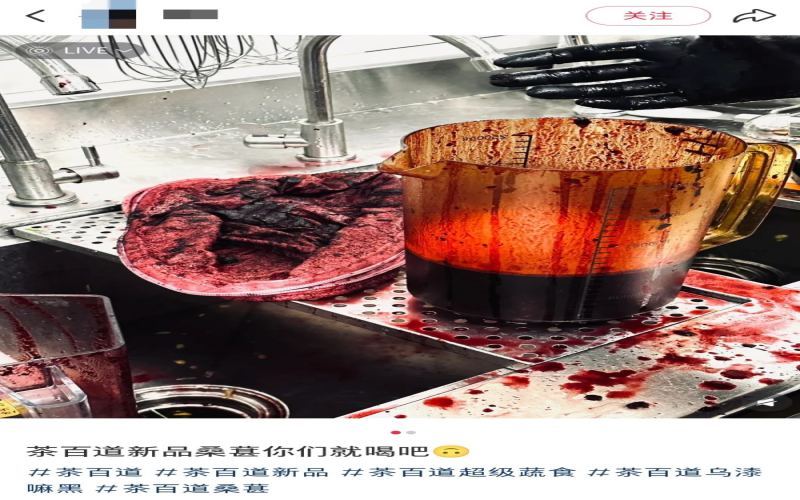
A video of mulberry juicing in the back kitchen of ChaPanda has sparked heated discussion, with employees complaining that the fresh fruit preparation process is like a horror movie scene.
The daily work life of milk tea shop employees has always been a hot topic on social media, but recently a post by a ChaPanda employee unexpectedly went viral because the kitchen scenes were too "creepy." Dark red mulberry juice covered the counter, blender, and filter bags, and combined with the scene of black gloves squeezing the juice, many netizens said it looked like a horror movie. It is understood that these scenes come from ChaPanda's daily operation of freshly squeezing mulberry juice when preparing ingredients for products such as "Wu Qi Ma Hei" and "Triple Berry Goodnight Cup." Because mulberries are high in anthocyanins and have a deep color, the juicing process is not only time-consuming and labor-intensive, but also very likely to stain clothes and the work area. Employees have complained one after another on social media, and even turned these scenes into jokes such as the "ChaPanda Mulberry Man-Eating Incident" to share, triggering a lot of resonance. [more…]
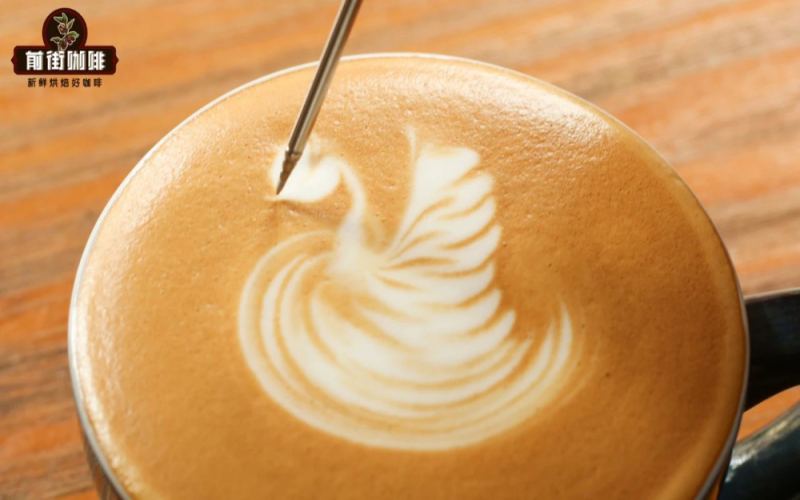
Latte Milk Foam Steaming Tutorial with Illustrations | What Are the Requirements for Milk When Making Latte Art? What Techniques Should Coffee Beginners Pay Attention to When Steaming Milk Foam for Latte Art?
To make latte art look good, choosing the right milk is very important! Front Street Coffee's daily in-store milk coffee offerings all use full-fat fresh milk, because it is rich in protein, lactose, and milk fat. The protein in milk is what makes the milk foam stable. [more…]
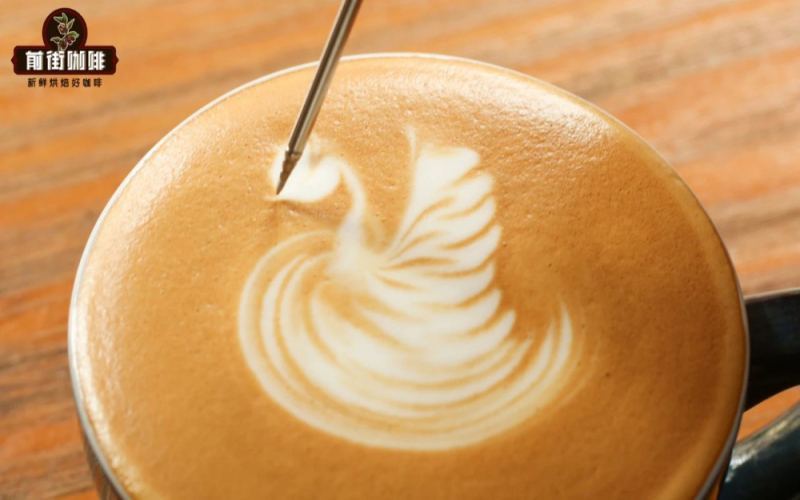
A Complete Guide to Latte Art and Espresso Bean Selection: Crema, Freshness, and Front Street Coffee Blend Recommendations
The charm of a latte lies not only in its rich, mellow taste, but also in the latte art patterns that bloom on its layer of delicate milk foam. To make a latte that delights both the eye and the palate, the choice of coffee beans is crucial: abundant crema, the right roast level, and proper freshness all directly affect the latte art results and the final flavor. This article begins with the origins of latte art, then takes a deep dive into the crema performance of espresso beans, recommends three distinctive beans — Front Street Coffee Commercial Blend, Front Street Coffee Classic Blend, and Front Street Coffee Dark Cocoa Blend — and shares milk pairing, extraction ratios, and bean-resting tips to help you consistently recreate a professional-grade latte at home. [more…]
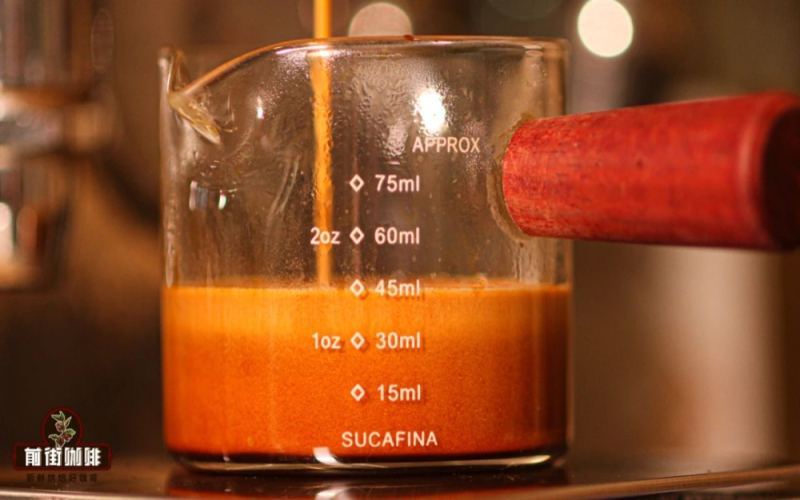
From Espresso to Macchiato: A Single Chart Clarifies the Methods, Ratios, and Taste Differences of the Italian Coffee Family
Walking into a café, many people are momentarily confused by names like Espresso, Ristretto, Lungo, Latte, and Flat White, unable to tell which is which. In fact, they all belong to the Italian coffee system, and the main differences among them lie in the espresso extraction method, the proportion of milk or milk foam added, and the final cup volume and taste profile. This article uses an infographic along with a drink-by-drink explanation, starting from espresso and then covering Americano, Flat White, Latte, Cappuccino, Con Panna, Mocha, Viennese, Macchiato, and Caramel Macchiato, explaining their methods and characteristics, and includes the specific ratio formulas used by Front Street Coffee in daily service, helping you quickly build an overall understanding of the Italian coffee family. [more…]
Why Is Jersey Milk So Expensive? A Hands-On Report on Making Lattes and Dirty Coffee with It
In the world of specialty coffee, milk is no longer an optional supporting player—it is the key variable that determines the quality of a milk-based coffee. From Ice Blog to Jersey milk, coffee shops are becoming increasingly discerning about their milk sources. Jersey milk has long been known as the "Hermès of milk," priced far above ordinary fresh milk—so what exactly makes it so expensive? And how does it perform in a Dirty and a latte? This article will analyze the Jersey cow's breed origins, butterfat and protein content, and other dimensions, and compare the actual performance of Xiangmanlou and Weipin Jersey milk versus ordinary fresh milk in Dirty and hot lattes, to help you decide whether Jersey milk is worth paying for in your milk coffee. [more…]
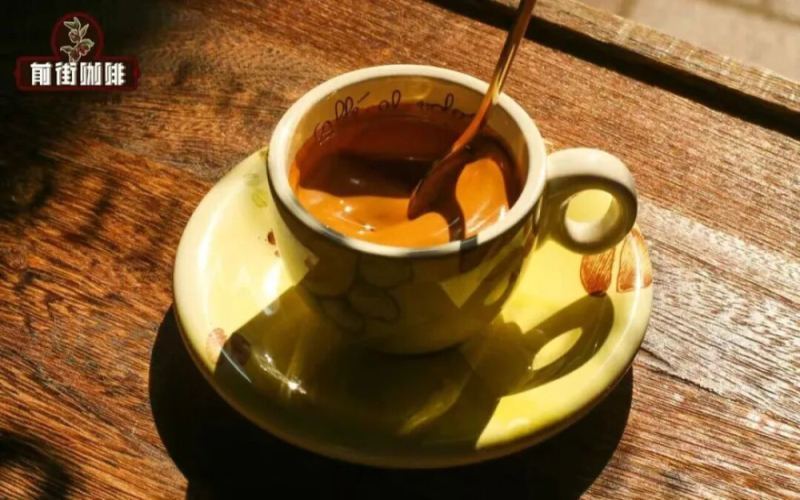
Why Don't Italians Drink Cappuccino in the Afternoon? Coffee Bean Selection and Extraction Tips for Making a Rich, Aromatic Cappuccino
Cappuccino is a milk coffee that many coffee lovers enjoy daily, but in Italy, this drink carries an unwritten rule—ordering it in the afternoon may draw sideways glances. Why do Italians regard cappuccino as a "breakfast drink"? What are the local customs regarding its thick milk foam, intense espresso flavor, and filling the cup to 11 points? What coffee beans should be chosen to make an authentic cappuccino? From the perspective of Front Street, this article traces the origins of Italian coffee customs, analyzes the flavor characteristics and extraction parameters of cappuccino, and recommends Front Street's classic espresso blend coffee beans, guiding you to understand the cultural logic and brewing details behind this milk coffee. [more…]
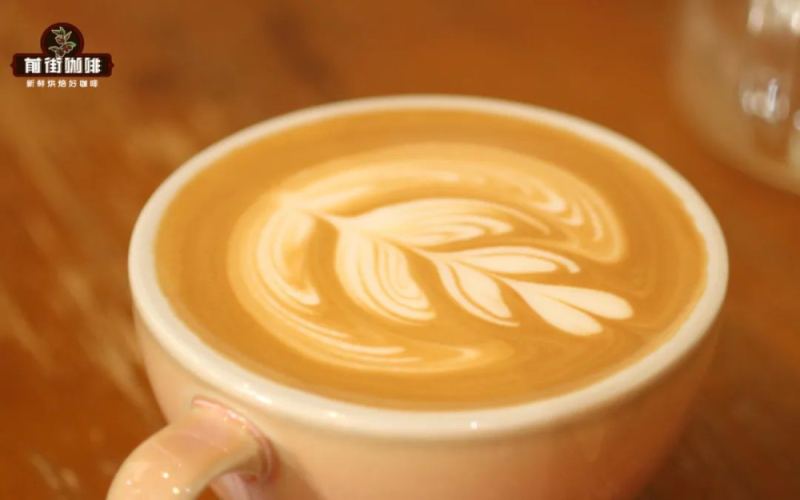
Coffee Basics | What is the standard way to make a Coffee Latte? What is the espresso-to-milk ratio and the thickness of the milk foam for a latte? What are the key points for making latte art?
For more specialty coffee knowledge, please follow our WeChat official account: Front Street Coffee (FrontStreet Coffee). To make beautiful latte art, choosing the right milk is very important! Front Street Coffee (FrontStreet Coffee) uses this for its daily milk coffee offerings: [more…]

The Complete Guide to Making Iced Latte Coffee: A Detailed Explanation of Material Selection, Milk-Coffee Ratios, and Operational Details
An iced latte may seem to require just three steps—adding ice, pouring milk, and pouring coffee—but making a delicious one involves careful consideration from ingredient selection to ratios to operational details. Starting from the pairing of coffee beans and milk, this article introduces espresso blend options for different flavor profiles, including the characteristics and suitable scenarios of Front Street Specialty Blend, Front Street Dark Cocoa Blend, Front Street Classic Blend, Front Street Commercial Blend, and Front Street Strawberry Candy Espresso; it then provides a reference ratio for Front Street Iced Latte—35g espresso, 250ml fresh milk, and 75g ice cubes—and explains how adjusting the ratio affects the flavor; finally, it emphasizes the key roles of espresso extraction quality, preparation speed, and ice soaking time in the final taste and layering effect, helping coffee enthusiasts consistently reproduce a beautiful and delicious iced latte in their daily brewing. [more…]

Soy milk, milk powder, Wangzai, or AD calcium milk in a latte? A hands-on test of the flavor and mouthfeel differences of five non-fresh-milk ingredients
Latte, cappuccino, flat white, and Dirty all rely on milk, but what would the final taste be if you swapped in soy milk, milk powder, banana milk, Wangzai milk, or AD calcium milk? This time, Front Street Coffee made lattes one by one using five types of non-fresh milk ingredients, all with Front Street Espresso Blend · Strawberry Candy Espresso, using a 1:5 coffee-to-milk ratio for a hot-and-cold comparison, focusing on aroma integration, sweetness, smoothness of mouthfeel, milk foam performance, and whether it is suitable for latte art. The article not only preserves parameters that can be directly replicated, but also gives judgments on the pros and cons of each ingredient, making it a reference for enthusiasts who want to make specialty coffee at home or in a shop. [more…]
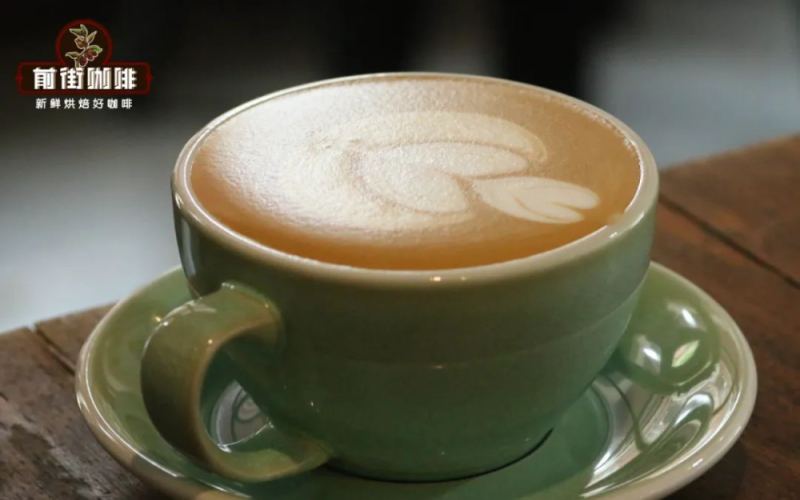
How to Choose Coffee Beans for Lattes? From Classic Blends to Strawberry Candy, Key Points for Home Espresso Making
Latte originally means milk in Italian, but today it refers to a espresso-based drink made by combining espresso with milk. Whether a latte tastes good depends heavily on the choice of coffee beans and the quality of fresh milk. This article begins with the historical origins of the latte and sorts out the Italian-style coffee beans suitable for different stages—beginners can choose Front Street Classic Blend, for a daily go-to we recommend Front Street Dark Cocoa Blend, and more advanced enthusiasts will appreciate Front Street Strawberry Candy Espresso Blend. It also explains in detail the impact of the resting period on flavor, common ratios of espresso to milk, milk foam temperature control, and the production details of hot and iced lattes, helping home coffee enthusiasts make a rich and smooth latte. [more…]
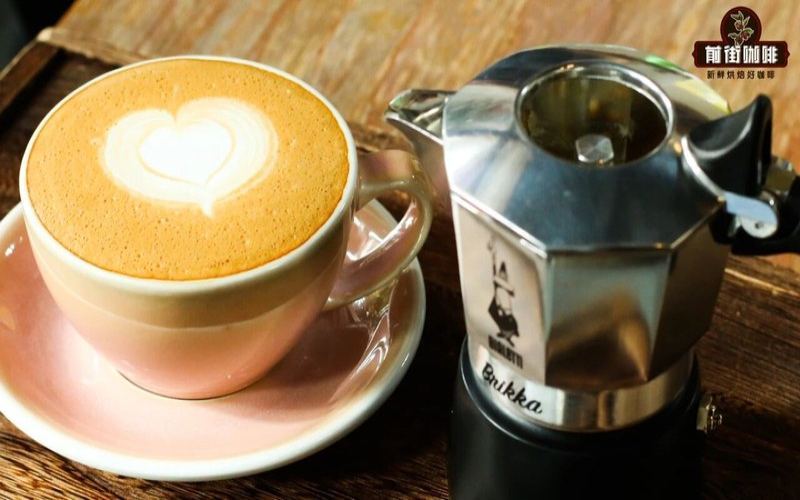
Choosing commercial coffee beans by roast level: three flavor paths are easier to understand
When choosing commercial coffee beans, you need to consider not only whether the flavor is appealing, but also whether they can handle the high-frequency brewing demands of a café or home setting. Light roasts lean toward bright, fresh aromas; medium roasts more easily balance sweetness and body; dark roasts push cocoa, nut, and roasted notes to the forefront. Choosing by roast level is more reliable than [more…]
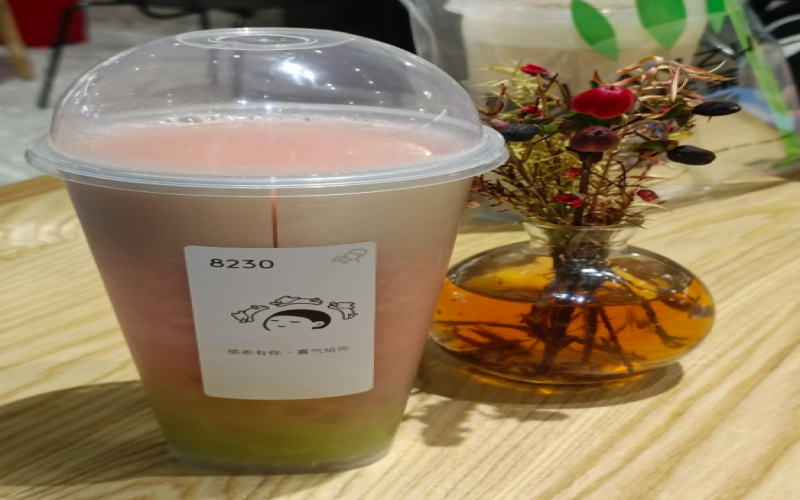
The real situation of milk tea shop employees: hand-squeezing juice and peeling fruit every day, frozen shoulder and tenosynovitis have become common occupational diseases.
Last spring, Heytea's guava series of fruit teas captured a large number of consumers with their refreshing taste, and their removal from the menu after the season became a regret for many. On the eve of this year's Valentine's Day, the guava series finally returned amid widespread calls for it, and as soon as the Refreshing Guava Grape Tea was launched, it flooded social media, with store orders packed. However, while fans were raising their cups for photos and check-ins, Heytea employees in the back kitchen were facing baskets of fresh guavas, wanting to cry but unable to shed tears. Manually squeezing fruit puree, peeling green grape flesh, and long hours of repetitive labor caused many staff members to develop health problems such as frozen shoulder, tenosynovitis, and hand allergies. Behind a cup of seemingly simple fruit tea, what exactly is hidden in terms of the production process and labor intensity? This article takes you to understand the real working conditions of milk tea workers. [more…]
A Complete Guide to Classic Espresso, Latte, Irish and Other Fancy Coffee Types and Flavors
Walking into a café and facing the dazzling array of names on the menu, have you ever wondered about the story and flavor behind each fancy coffee? From Espresso, which forms the foundation of all fancy coffees, to lattes and cappuccinos where milk and coffee blend together, to Irish coffee with its hint of whiskey and the layered iced latte, each one has its unique proportions and drinking method. This article systematically organizes the ingredients, preparation steps, and taste characteristics of more than a dozen classic fancy coffees, including basic options suitable for daily drinking as well as exotic Russian, Turkish, and Viennese coffees. Whether you are a coffee novice just starting out or a seasoned enthusiast looking to refine your skills, you will find a cup worth trying. [more…]
What coffee beans should you choose for a latte? A complete analysis of specialty espresso beans paired with milk, from latte art to crema
Many people fall in love with coffee starting from a latte with beautiful latte art. Latte Art originates from the Italian Caffè Latte; the fusion of milk and espresso is not only about visuals but also affects taste and aroma. To make a delicious and beautiful latte, besides equipment and technique, the choice of coffee beans is especially crucial—rich crema, a moderate roast level, and proper freshness are all indispensable. In response to the needs of milk coffee, Front Street Coffee has launched three espresso blends: Commercial Blend, Classic Blend, and Dark Cocoa Blend, respectively suited for cafés, specialty milk coffee, and everyday consumption scenarios. This article will also share practical experience on milk selection, the ratio of espresso to milk, and bean resting time, to help you consistently recreate a latte with latte art that is complete in color, aroma, and taste at home. [more…]
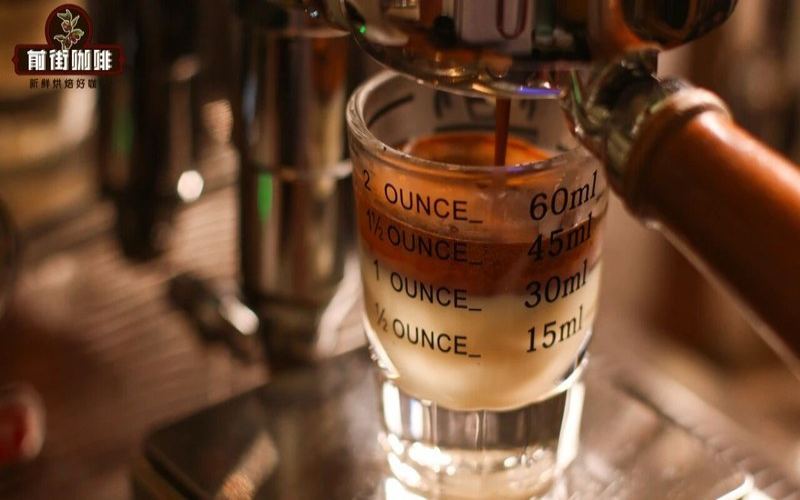
Choose cold brew coffee beans by roast level, with suitable options from crisp and refreshing to rich and full-bodied
Cold brew amplifies the smoothness of coffee after it enters the mouth, and also makes the bean's sweet aroma last longer. If you want a fresh, fruity flavor, you can start with a light roast; if you prefer a rounded, distinctly sweet taste, a medium roast is easier to adapt to; if you're used to cocoa, nuts, and a heavy mouthfeel, a medium-dark roast will be closer to your daily preference. Filter by roast level [more…]

Can snack food giant Juewei break through by entering the tea beverage market with milk tea?
When "the king of braised snacks" Juewei Food quietly started selling milk tea in some stores, an unexpected cross-industry experiment unfolded. For young people, milk tea is a daily necessity, but duck necks are not a daily must-have. Against the backdrop of weak consumption in braised snacks, is Juewei's move a bold innovation to seek new growth points, or a risky adventure with an uncertain future? From promotional banners offering 3 cups for 11.9 yuan to red bean pudding and coconut popping green milk tea at 7 yuan per cup on its mini-program, Juewei is trying to use tea beverages to attract young customers. However, declining revenue, a sharp drop in stock price, a net decrease of nearly 1,000 stores, and consumer complaints about price and quality all make this cross-industry move full of uncertainty. This article will analyze the business logic and challenges behind Juewei's milk tea sales from multiple perspectives, including store visits, market data, and expert opinions. [more…]